


Writers Workshop
The next Writers Workshop, hosted by CISSE, is scheduled for April 25, 2024. Geared towards professionals aiming to elevate their publication skills and maximize the influence of their research and teaching, this webinar series is complimentary. Please share this event with your colleagues, faculty, and students. Registrations are handled through Zoom.
2024 Winter Edition, Vol. 11
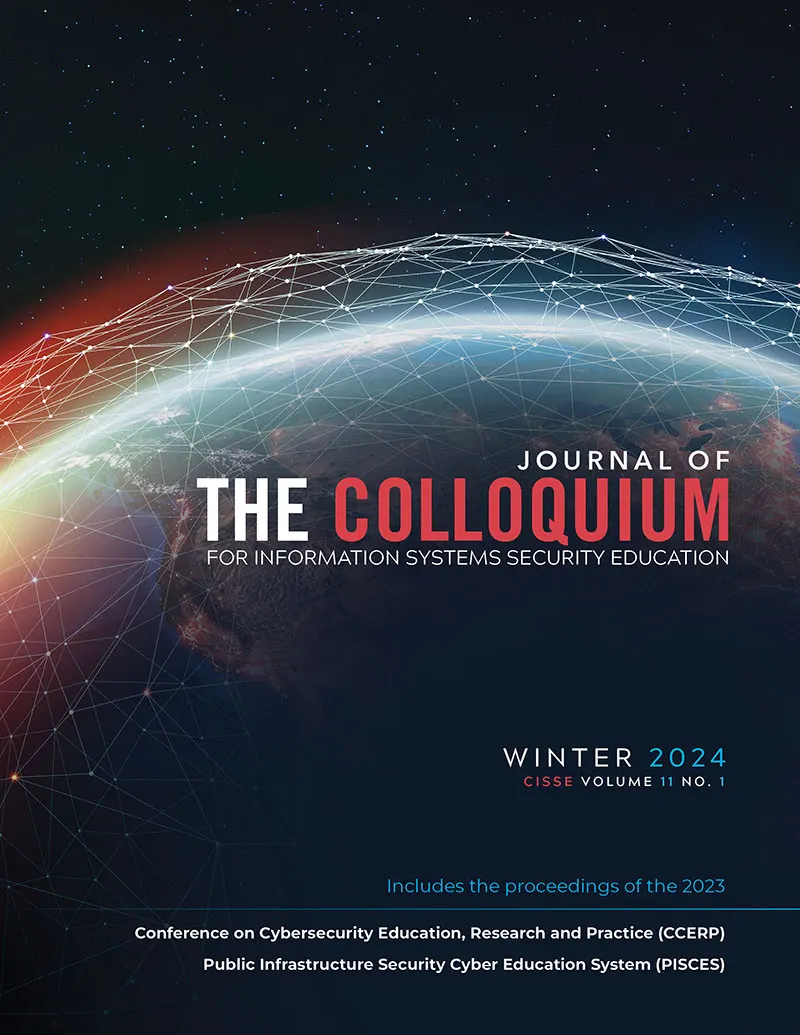
The latest edition of The Colloquium Journal has been released and is available for purchase on Amazon. Additionally, select papers can be accessed via CISSE's Open Journal platform. We extend our gratitude to the contributing authors, the Program Committee, and the Editorial Board for their invaluable contributions in reaching this publication milestone.
28th Colloquium
Building a Resilient Cyber Culture: Education as the Foundation
The 28th Colloquium will convene from November 13th to the 15th in Tampa, Florida. We graciously welcome The University of Tampa as host and academic partner for the 2024 conference.
Papers & Presentations
Call for Papers
Participating in The Colloquium™ are representatives from education, industry, and government, who seek to further cybersecurity education. Interested individuals are encouraged to submit papers, presentations, and proposals by August 15, 2024.
Sponsorship
Opportunities
CISSE offers a distinctive platform for showcasing your organization, targeting not just enthusiasts, but the educators in cybersecurity. Place your tools in the hands of these distinguished individuals and demonstrate how you can bolster their mission.
28th Colloquium
Planning Committee
Planning for the 28th Colloquium is underway. We welcome input from members to help diversify program offerings and connect with potential speakers and subject matter experts. If you have any suggestions or feedback, please email inquiry@thecolloquium.org. If you are interested in joining the planning committee, please get in touch.
28th Colloquium
Member Support
As a non-profit organization, CISSE relies solely on member support. If you value our mission of service, please consider making a donation or supporting the organization through charitable pledges.
Stay Connected
Interested in attending the 28th Colloquium? Register to receive updates on the latest news, program details, discounts, opportunities, and speakers.

The Colloquium™ recognizes that the protection of information and infrastructures that are used to create, store, process, and communicate information is vital to business continuity and security. The goal of The Colloquium™ is to work together to define current and emerging requirements for information assurance education and to influence and encourage the development and expansion of information assurance curricula, especially at the graduate and undergraduate levels.

If you value our mission of service, please consider making a donation, or supporting the organization through charitable pledges.


Recent Posts
28th Colloquium - Writers Workshop
CISSE's next Writers Workshop is scheduled for April 25, 2024. This series is tailored for professionals and academics seeking to enhance their publication skills and amplify the impact of their research. This webinar is complimentary and will be hosted by CISSE's Editorial Committee.
28th Colloquium - Opportunities
The Colloquium for Information Systems Security Education™ offers a distinctive platform for showcasing your organization with precision, targeting not just cybersecurity enthusiasts, but the educators in cybersecurity.
Copyright © 2024 CISSE™. All rights reserved.